A finite supply
Only 21 million bitcoin will ever exist. Unlike dollars, no one can print more - which is why some people see it as protection against inflation eating their savings.
Learn first. Decide for yourself.
You’ve probably heard the name. Get the basics in plain English, explore why people are interested, and make up your own mind. No jargon.
Curiosity first. Learn before you buy anything.

I was curious about Bitcoin, but didn’t know where to start or even where to buy it. I made this page to make that first step a little easier for someone else. — Frédéric
Bitcoin is a digital currency that has been running since 2009. It lets people send value around the world without needing a bank to approve the transaction. Payments can be sent in minutes often for very low fees.
Only 21 million bitcoin will ever exist. Unlike dollars, no one can print more - which is why some people see it as protection against inflation eating their savings.
Thousands of computers worldwide keep Bitcoin running together. No single company, bank, or government controls the Bitcoin network. You can hold your own bitcoin without relying on a bank.
You can hold bitcoin yourself, like cash in your pocket - no bank needed. More control, but also more responsibility for keeping it safe.
Did you know?
Divisible — you don’t need to buy a whole coin. You can buy as little as $2 worth and own a tiny fraction of a bitcoin.
190,000+ BTC — that’s how much the U.S. government holds. Although this is the result of various seizures as opposed to outright purchases, they are now part of the U.S. Strategic Bitcoin Reserve (source ↗).
Among the world’s largest assets — with a market cap over $1 trillion, Bitcoin is among the world’s largest assets by market value (source ↗), and it’s grown by about 44% per year over the last 4 years.
Not just for risk-takers — public reporting has identified bitcoin-related investments associated with several state retirement systems, including Wisconsin, Michigan, Arizona and others.
$443M — Harvard’s Bitcoin ETF position, bigger than its Google stock.
848,000 BTC — held by public company Strategy, the largest corporate stash on earth, worth roughly $70 billion.
You don’t need to read all four. Choose the one that sounds most interesting, and take it at your own pace.

An accessible introduction to the ideas behind Bitcoin and why people from different backgrounds are exploring it.
Find the book ↗
Explores how money and payment systems evolved, how they work today, and how technology may reshape them.
Find the book ↗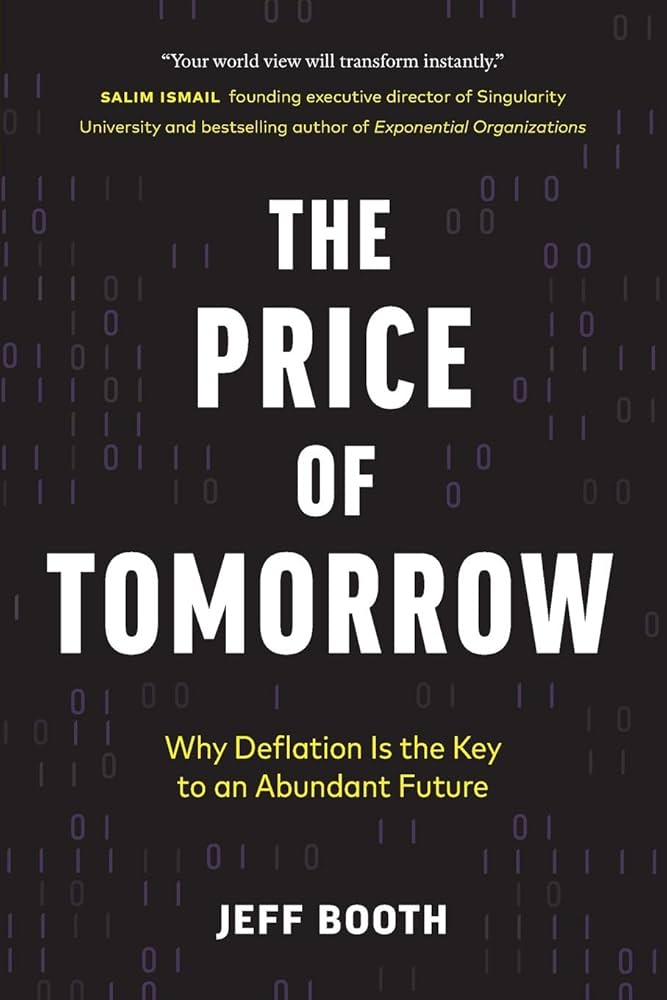
Looks at technology-driven deflation and the tension between accelerating productivity and today's debt-based economy.
Find the book ↗
A critique of the modern monetary system and an argument for hard assets, including Bitcoin, as an alternative.
Find the book ↗These books offer perspectives and arguments, not a substitute for independent research. Read critically and compare viewpoints.
Bitcoin-oriented podcasts to learn at your own pace — start with any episode that catches your eye.
Curious enough to try buying a small amount? These are two Canadian platforms to look into. Consider using the referral codes to support this webpage if you found it useful.
A Canadian app for buying and selling Bitcoin. Sign up with the following referral code and you can earn $20 in Bitcoin after buying at least $100 of Bitcoin, subject to the offer terms.
The $20 reward is subject to Shakepay’s eligibility rules and promotion terms.
 Newton
 is another Canadian option for buying and selling crypto. You can earn $20 after buying at least $100 of Bitcoin within 90 days, subject to the offer terms.
The $20 reward is subject to Newton’s eligibility rules and promotion terms.
Full disclosure: I will receive a referral reward if you sign up through my referral links and meet the platform’s conditions. You should compare the options and decide what works for you. Offers, eligibility, and fees can change.
Bitcoin’s network has never been hacked — it has run non-stop for over 15 years. The risk is almost always on the human side: losing access, falling for a scam, or leaving coins on an exchange that fails. Two rules cover most of it: never share your recovery (seed) phrase with anyone, and move meaningful amounts to a wallet you control (cold storage) instead of leaving them on an exchange (hot storage).
In Canada, Bitcoin is treated like property, not currency — selling at a profit generally triggers capital gains, with only half the gain taxable. Keep a simple record of what you bought, when, and for how much. This isn’t tax advice; if your amounts grow, talk to an accountant.
Bitcoin is still small next to gold or stock markets, so large orders move the price more. News, hype cycles, and leverage amplify the swings. That’s what “start small” is really about: size your position so a 30% drop is annoying, not devastating.
Thousands of cryptocurrencies exist, but Bitcoin is the only one with no company, no CEO, and no one able to change the rules — that’s what makes the 21-million limit credible. Most alternatives are startups with insiders holding big stakes. This page sticks to Bitcoin because it’s the only one to survive 15+ years with no one in charge.
Three quick answers: a Ponzi needs a central operator paying old investors with new money — Bitcoin has no operator. Criminal use exists but is a tiny share of activity, and the public ledger makes it a poor tool for crime.
Dollars work well for everyday spending, and most of us need them. But their supply can increase over time, resulting in inflation and reducing their purchasing power. Bitcoin has a fixed maximum supply of 21 million. As the Bitcoin price goes up, its purchasing power increases as well.
Bitcoin can sound complicated at first. You don’t have to become an expert overnight. Start with the basics, ask questions, and take your time before deciding whether it’s for you.
This site is educational, not financial advice. Referral links may benefit the site owner; recommendations should always be evaluated on their own merits.
Back to the top ↑ Shakepay